
The prescription of elevated doses of sildenafil is not uncommon in specific medical contexts. This potent compound is often utilized in the treatment of erectile dysfunction and pulmonary arterial hypertension, with dosages sometimes exceeding standard recommendations. It is crucial for healthcare providers to assess patient-specific factors when determining optimal dosing strategies. These factors include the severity of the condition, concomitant medications, and underlying health conditions that may influence dosing.
Clinical guidelines recommend initiating treatment at lower doses for assessment and gradual titration based on the patient’s response. In cases resistant to standard doses, professionals may consider higher strengths. Awareness of potential side effects, including headaches, facial flushing, and gastrointestinal disturbances, is imperative, particularly at elevated dosages. The side effect profile may necessitate cautious monitoring of patients during therapy.
Precise dosing options are available in the market, with options like Sildigra Gold 200 Mg being recommended for patients requiring such prescriptions.
| Dose (mg) | Indication | Common Side Effects |
|---|---|---|
| 25 | Mild erectile dysfunction | Headache, Flushing |
| 50 | Moderate erectile dysfunction | Dizziness, Nasal congestion |
| 100 | Severe erectile dysfunction | Visual disturbances, Prolonged erection |
| 200 | Resistant cases | Chest pain, Priapism |
- Individualized treatment plans are critical for maximizing outcomes.
- Regular follow-ups are advised to monitor efficacy and tolerability.
- Consider interactions with other medications or underlying health conditions.
Mechanism of Action: How High-Dose Sildenafil Works in the Body
Administering this phosphodiesterase type 5 inhibitor significantly enhances the effects of nitric oxide by increasing cyclic guanosine monophosphate (cGMP) levels. This elevation occurs through the inhibition of the PDE5 enzyme, which usually breaks down cGMP. Studies reveal that an approximate 80% increase in cGMP occurs shortly after dosage, resulting in prolonged vasodilation and enhanced blood flow.
Physiological Impact
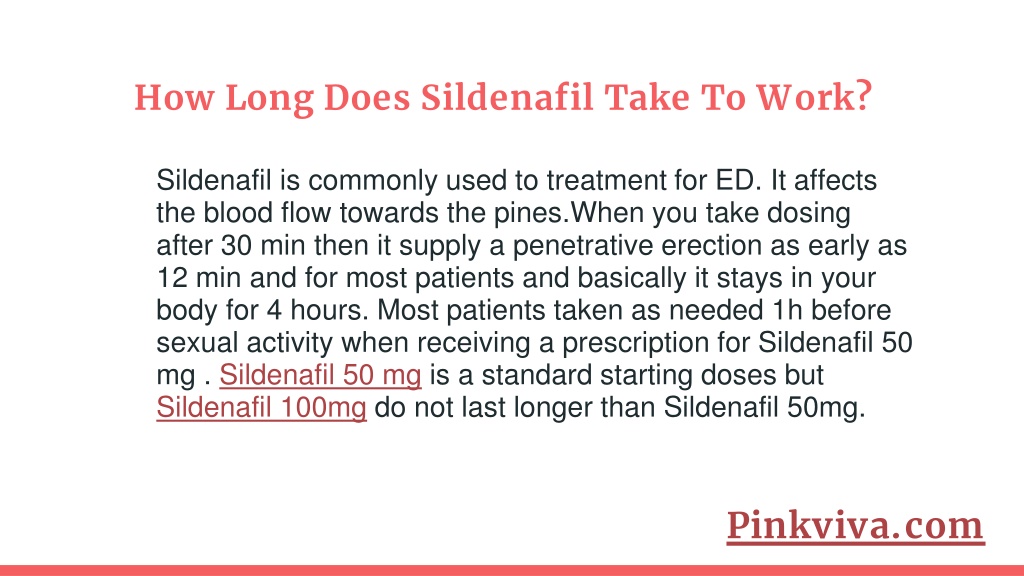
The resultant vasodilation leads to improved blood circulation in the penile area, facilitating the ability to achieve and maintain an erection. This process depends heavily on sexual arousal; without stimulation, the medication does not initiate an erection independently. Experts have indicated that the onset of action can take between 30 to 60 minutes, making timely administration crucial for desired results.
- Onset: 30 to 60 minutes
- Duration of effect: Up to 4-6 hours
- Peak plasma concentration: 60 minutes post-ingestion
Dosage Considerations
Patients often prescribed higher doses can experience a more pronounced response, though increased dosages may come with higher incidences of side effects, such as headaches and flushing. A dosage exceeding 100 mg might yield diminished returns in efficacy but an increased likelihood of adverse reactions. It is essential to monitor patient response closely to optimize therapeutic outcomes while minimizing side effects.
Research indicates that pharmacokinetics of this medication demonstrate a half-life of approximately 3-4 hours, allowing for flexible dosing regimens while mitigating the risk of accumulation in the bloodstream. Understanding this profile is invaluable for tailoring therapy to individual patient needs.
| Parameter | Value |
|---|---|
| Half-life | 3-4 hours |
| Bioavailability | approximately 40% |
| Time to peak concentration | 1 hour |
Indications: Conditions Treated with Elevated Doses of Sildenafil
The primary application of increased sildenafil amounts is the management of pulmonary arterial hypertension (PAH). This condition is characterized by elevated blood pressure in the pulmonary arteries, leading to significant cardiovascular strain. Clinical studies indicate that doses up to 80 mg can result in a decrease in mean pulmonary arterial pressure by approximately 10-15 mmHg, improving exercise capacity among affected individuals.
Another significant use of high dosages is in the treatment of erectile dysfunction in patients unresponsive to standard doses. Research suggests that many men may require up to 100 mg for meaningful improvement in erectile function, particularly those with comorbidities such as diabetes or prostate surgery history. The International Index of Erectile Function (IIEF) scores often improve markedly with these higher prescriptions.
In certain cases, sildenafil has been employed successfully to alleviate symptoms of Raynaud’s phenomenon, a disorder causing spasms in blood vessels. Studies reveal that doses of 50–100 mg three times a week can enhance digital blood flow, significantly reducing the frequency and severity of attacks.
Conditions characterized by severe pulmonary hypertension benefit from elevated doses as well. In one study, a regimen of 20 mg thrice daily led to an increase of over 40% in cardiac output for patients with severe right ventricular dysfunction.
Commonly Treated Conditions:
- Pulmonary arterial hypertension (PAH)
- Erectile dysfunction (ED)
- Raynaud’s phenomenon
- Pulmonary hypertension due to left heart disease
The dosage must be individualized based on the specific patient profile and underlying health conditions. Close monitoring of both efficacy and adverse reactions is essential to optimize treatment and mitigate risks associated with elevated doses. Regular follow-ups can further guide adjustments to the therapeutic approach based on patient response.
